High-density downtown campus environments present unique safety challenges, ranging from laboratory mishaps to acute allergic reactions. When sudden medical crises occur in packed lecture halls or student housing, quick bystander intervention is critical. Discover how securing proper certification empowers student leaders and faculty to confidently protect their community before paramedics arrive.
Living and working on a bustling downtown campus comes with incredible energy, but it also brings unique safety challenges. Navigating crowded dorms, busy lecture halls, and packed student events means accidents can happen in a flash. Finding reliable First Aid training near University of Toronto is one of the smartest moves a student or faculty member can make to stay prepared. When hundreds of people share tight spaces every day, knowing exactly how to handle a medical emergency is an essential life skill.
What Are the Main Hazards in Shared Student Housing?
Student housing is notorious for its fast pace and cramped quarters. Dorm rooms and shared student apartments are high-density spaces where minor accidents can spiral quickly.
Cooking mishaps are incredibly common in student kitchens. Someone leaves a toaster oven unattended while studying, or a grease fire sparks during a late-night cooking session. Burns, smoke inhalation, and severe cuts from rushed meal prep happen all the time.
Beyond kitchen scares, tight living quarters mean contagious illnesses or sudden physical emergencies can affect multiple people. If a roommate collapses or experiences a sudden medical crisis in a high-rise residence, navigating elevators and heavy security doors can slow down arriving emergency crews. A trained student living down the hall can provide a vital line of defense during those first few minutes.
How Do Lab Accidents and Sports Injuries Risk Campus Safety?
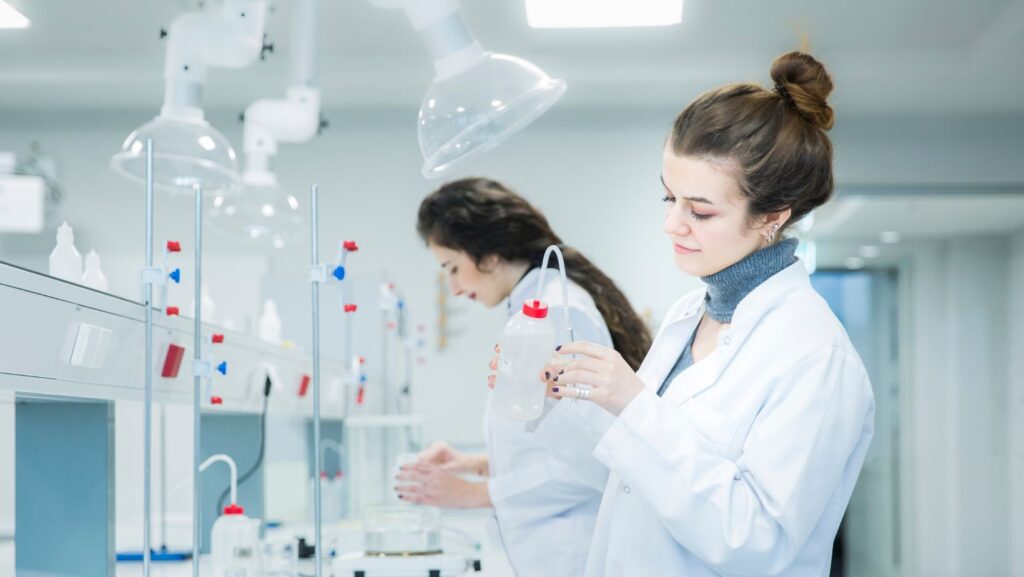
The academic side of campus life has its own distinct set of hazards. For science students, researchers, and faculty members, the laboratory is a workplace filled with potential danger.
Even with strict safety protocols, chemical splashes, minor explosions, and thermal burns occur. Knowing how to properly flush an eye at a washing station or treat a chemical burn before emergency services arrive can prevent permanent, life-altering damage.
On the flip side, campus life involves a lot of movement and recreation. Intramural sports fields and campus gyms are hot spots for physical injuries.
- Concussions: A rough collision during a soccer match can leave a player disoriented or unconscious.
- Severe sprains and fractures: Misjudging a step or landing wrong during a basketball game requires immediate stabilization.
- Heat exhaustion: Working out in poorly ventilated spaces during hot summer semesters can cause sudden heat strokes.
Can First Aid Address Severe Allergies and Acute Panic Events?
University is often the first time young adults live completely on their own, away from family networks. This independence means managing serious health conditions, like severe food allergies, entirely by themselves.
A student might accidentally eat something containing nuts at a campus cafeteria, triggering a massive anaphylactic shock. If their airway begins to close, they need someone nearby who can recognize the signs of a severe allergic reaction instantly. Knowing how to locate and use an epinephrine auto-injector (EpiPen) can literally save a life in under sixty seconds.
Furthermore, post-secondary environments can involve immense academic and social pressure. High-stress periods like midterm weeks or final exams can trigger severe panic attacks or hyperventilation. These psychological events can mimic physical emergencies like heart issues. A trained first responder knows how to use calm, steady communication to de-escalate the situation and ensure the person is physically safe.
Why Is Immediate Action Critical Before Emergency Services Arrive?
When someone stops breathing or bleeds heavily, every single tick of the clock matters. Downtown traffic can be incredibly unpredictable, and ambulances can get stuck on gridlocked city streets.
By stepping up and getting certified, you become the bridge between the moment an injury happens and the moment the paramedics arrive. You aren’t expected to act like a surgeon. Your job is simply to stabilize the situation and prevent further harm.
Modern training facilities recognize that students and faculty members have intensely packed schedules. That is why blended learning has become the preferred option for busy academics. You can easily complete the theoretical readings, videos, and quizzes online on your laptop during your commute or between classes. Once that portion is done, you just attend a brief in-person class to build physical muscle memory on the practice mannequins.
If you are looking for first aid training near the Koreatown neighborhood, the busy Bloor Street West and Bathurst Street crossroad, or other areas close to our facility, then you may reach out to Coast2Coast First Aid/CPR – Toronto in that area.
Frequently Asked Questions
Are student residence advisors required to have first aid training? Yes. Most universities and colleges across Canada strictly require Residential Advisors (RAs) to hold a valid standard first aid and CPR certification. RAs are the primary leaders on student floors and are expected to manage emergencies effectively.
What should I do if a chemical splashes on a classmate in a lab? You must act instantly. Direct them to the nearest emergency eye-wash or shower station and flush the affected area with copious amounts of clean water for at least 15 to 20 minutes. Have someone else notify campus security and call 911 immediately.
Can I use a student first aid certificate for off-campus summer jobs? Absolutely. WSIB-approved certifications are recognized across Ontario and Canada. Having this qualification on your resume makes you highly employable for summer positions in retail, camp counseling, hospitality, and tutoring.
How does blended learning fit into a busy university schedule? Blended learning splits the training into two halves. You can complete the heavy textbook work and video modules online at your own pace during your free hours. You only need to set aside a few hours for a single in-person class focused on hands-on practical practice.
What is the best way to assist a student having a severe panic attack? Remain completely calm and talk to them in a soft, steady voice. Encourage them to take slow, deep breaths, breathing in through their nose and out through their mouth. Ensure they are in a safe, quiet space and stay with them until they feel grounded.