
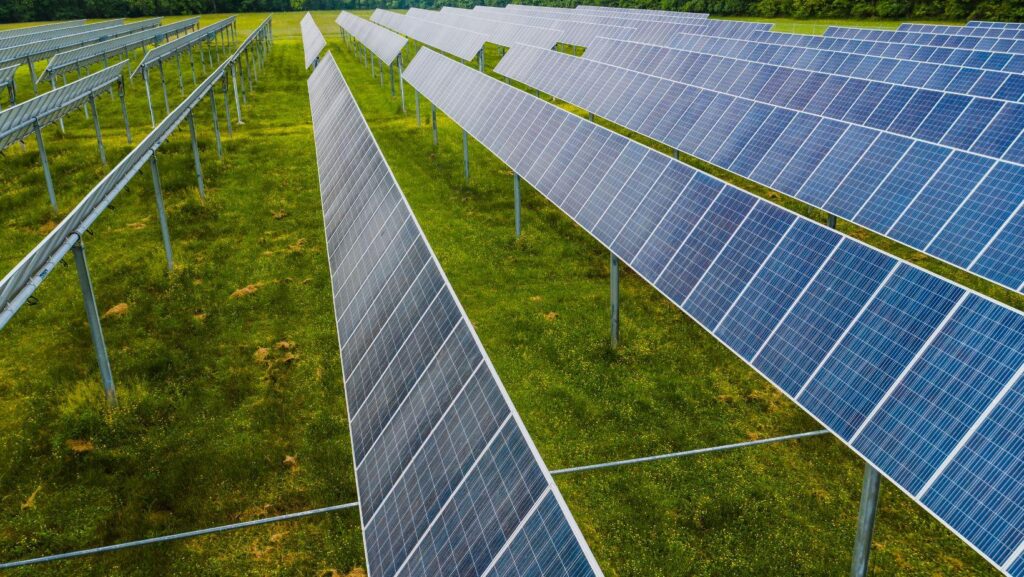
Ontario is home to some of the most breathtaking rural and cottage country landscapes in all of Canada — and for the hundreds of thousands of property owners who own cabins, cottages, farms, and rural homes across the province, the dream of true energy independence has never been more achievable. Whether you own a remote waterfront property on one of Haliburton County’s 600-plus lakes, a working farm in Grey or Bruce County, a rural homestead in Renfrew or Lanark, or simply a property too far from the nearest utility pole to make grid connection economically sensible, off grid solar systems Ontario represent the most practical, cost-effective, and environmentally responsible path to reliable, self-sufficient power.
This comprehensive guide covers everything you need to know about off-grid solar in Ontario — from understanding how these systems work and what they cost, to the specific considerations that apply to Ontario’s climate, geography, and regulatory environment, to the critical factors that determine whether a system will actually deliver the reliable, year-round power your property demands.
What Is an Off Grid Solar System — and Why Does It Matter in Ontario?
An off-grid solar system is a complete, self-contained power generation and storage solution that operates entirely independently of the provincial electrical grid. Rather than drawing power from Ontario’s Hydro One network or a local utility, an off-grid system generates electricity from sunlight, stores it in a battery bank for use when the sun is not shining, and — in most well-designed Ontario installations — incorporates a backup generator or wind turbine to provide additional power during extended periods of low solar production.
The relevance of this technology to Ontario property owners is both practical and economic. Extending the electrical grid to a remote property in Ontario can cost anywhere from $15,000 to $50,000 or more per kilometer of line — costs that property owners are typically required to bear themselves. For properties located several kilometers from the nearest grid connection, a well-designed off grid solar systems Ontario installation is almost always significantly less expensive than grid extension — and delivers complete energy independence as an additional benefit.
Even for properties where grid connection is technically available, the economics of off-grid solar have shifted dramatically in the past decade. Dramatic reductions in solar panel costs, significant improvements in battery storage technology, and the elimination of ongoing hydro bills create compelling long-term economics that are increasingly difficult to ignore.
How Off Grid Solar Systems Work in Ontario’s Climate
Understanding the fundamental mechanics of an off-grid solar system — and how those mechanics interact with Ontario’s specific climate conditions — is essential for making informed decisions about system design, sizing, and technology selection.
Solar Panel Array
The solar panel array is the foundation of any off-grid system. Photovoltaic (PV) panels convert sunlight into direct current (DC) electricity. The size of the array — measured in kilowatts (kW) of installed capacity — determines how much electricity the system can generate under optimal conditions.
In Ontario, solar panel performance varies meaningfully by season, latitude, and weather patterns. The province receives an average of 4 to 5 peak sun hours per day on an annual basis, with significant seasonal variation: long, productive summer days with high solar angles, and shorter winter days with lower solar angles and more frequent cloud cover. A well-designed off grid solar systems Ontario installation accounts for this seasonal variation explicitly — sizing the array to meet energy needs even during the least productive months of the year, not just the peak summer period.
Charge Controller
The charge controller manages the flow of electricity from the solar panels to the battery bank, preventing overcharging and optimizing the charging process for battery health and longevity. Modern MPPT (Maximum Power Point Tracking) charge controllers are significantly more efficient than older PWM (Pulse Width Modulation) designs and are the standard choice for any quality off-grid installation in Ontario.
Battery Bank
The battery bank stores the electricity generated by the solar panels for use when sunlight is unavailable — at night, during cloudy periods, or during extended stretches of overcast winter weather. Battery storage is arguably the most critical component of any off-grid system in Ontario, where the combination of long winter nights, frequent cloud cover, and heavy snow loads can create multi-day periods of minimal solar production.
Battery technology has evolved dramatically in recent years. Lithium Iron Phosphate (LiFePO4) batteries have largely superseded traditional lead-acid batteries in quality off-grid installations due to their superior energy density, longer cycle life (typically 3,000 to 6,000 charge cycles vs. 300 to 500 for lead-acid), wider operating temperature range, lower maintenance requirements, and more complete usable capacity. For Ontario’s cottage country climate, where temperatures can drop well below freezing and batteries may sit unused for extended periods, lithium technology’s thermal performance characteristics are a significant advantage.
Inverter and System Management
The inverter converts DC electricity from the battery bank into the AC electricity that standard appliances and devices require. In off-grid systems, inverter-chargers — which combine the inverter function with the ability to charge the battery bank from a generator input — are the standard configuration. Modern inverter-chargers also provide sophisticated system monitoring, automated generator start capabilities, and programmable load management that optimize system performance and protect battery health.
Backup Generator
In virtually every quality off-grid installation in Ontario, a backup propane or diesel generator provides a critical safety net during extended periods of low solar production. The generator supplements solar charging during prolonged overcast periods, provides surge capacity for high-draw appliances, and ensures that critical loads — heating systems, water pumps, refrigeration — remain operational regardless of solar conditions.
The generator does not need to run constantly in a well-designed system. In summer, a properly sized system may require generator backup only rarely. In winter, more frequent generator operation is typical and should be planned for as a normal part of the system’s operation.
Wind Turbine Integration
For properties in locations with reliable wind resources — which includes many of Haliburton County’s exposed ridge lines and lakefront properties — integrating a small wind turbine with the solar array creates a complementary generation profile that can meaningfully reduce generator dependence. Wind energy production peaks during stormy, overcast periods — precisely when solar production is lowest — making wind and solar a naturally complementary pairing in Ontario’s variable climate.
Ontario-Specific Considerations for Off Grid Solar Systems
Ontario’s geography, climate, regulatory environment, and property types create specific considerations that must be addressed in any well-designed off-grid system.
Seasonal Energy Demand Profiles
One of the most important and frequently misunderstood aspects of off-grid solar design in Ontario is the mismatch between seasonal energy demand and seasonal solar production. For many Ontario cottage properties, energy demand peaks in summer — when the property is most heavily used, air conditioning may be running, and recreational equipment is in operation — which conveniently aligns with peak solar production.
However, for year-round rural homes and farms, winter energy demands can be substantial — driven by electric heating supplements, water heating, lighting during long dark days, and the energy costs of operating a well pump in freezing conditions. Winter is also when Ontario’s solar production is at its seasonal low point. Designing a system that performs adequately in January and February — not just in July and August — is the critical design challenge for any year-round off grid solar systems Ontario installation.
Snow Load and Panel Orientation
Ontario’s winter snowfall creates two specific considerations for solar panel installation. First, snow accumulation on panel surfaces temporarily reduces or eliminates power production — a manageable factor when system sizing and battery storage are adequate, but a serious problem in undersized systems. Second, the weight of accumulated snow must be accounted for in the structural design of any roof-mounted or ground-mounted array.
Experienced Ontario solar installers address these challenges through careful panel orientation and tilt angle selection — steeper tilt angles encourage snow shedding — and through appropriate system sizing that accounts for realistic winter production including the effect of snow coverage.
Building Permits and Electrical Inspections
In Ontario, off-grid solar installations are subject to building permit requirements and must be inspected by the Electrical Safety Authority (ESA). This regulatory oversight exists to protect property owners and ensures that systems are installed to the electrical safety standards required by the Ontario Electrical Safety Code.
Working with an experienced, ESA-licensed installer who is familiar with local municipal permit requirements is essential — not just for legal compliance, but for ensuring that your system is designed and installed to the standards that protect your property, your insurance coverage, and your investment.
Crown Land and Waterfront Setback Considerations
Many of Ontario’s most remote and desirable cottage properties involve shoreline setback regulations, Crown land adjacency, and environmental protection requirements that affect where solar arrays and wind turbines can be sited. Haliburton County and other cottage country municipalities have specific planning and zoning provisions governing the placement of energy generation equipment. A knowledgeable local installer understands these considerations and incorporates them into system design from the outset.
Propane vs. Electricity for Heating
In most Ontario off-grid applications, using electricity as the primary heating source is impractical — the energy storage and generation capacity required to heat a home electrically during a cold Ontario winter would require a prohibitively large and expensive system. Most successful off-grid Ontario installations use propane, wood, or wood pellet heating as the primary heat source, with the solar system powering lighting, refrigeration, water heating supplements, electronics, small appliances, and other electrical loads.
This hybrid energy approach — solar electricity for electrical loads, propane or wood for thermal loads — is the standard design philosophy for practical, cost-effective off-grid living in Ontario’s climate.
Sizing Your Off Grid Solar System for Ontario
System sizing is where the technical and practical realities of off-grid living meet. An undersized system creates frustration, forces excessive generator dependence, and risks battery damage through repeated deep discharge. An oversized system wastes money on unnecessary capacity. Getting the sizing right requires a disciplined analysis of your actual energy consumption, your site’s solar resource, your seasonal usage patterns, and your tolerance for generator operation.
Step 1: Energy Audit and Load Analysis
The first step in any off-grid system design is a comprehensive energy audit — a detailed accounting of every electrical load in the property, its power consumption in watts, and how many hours per day it operates. This load analysis produces a daily energy consumption figure in watt-hours or kilowatt-hours that forms the foundation of the system sizing calculation.
For existing properties, reviewing past electricity bills provides useful baseline consumption data — though adjustments may be needed to account for the energy efficiency improvements and behavioral changes that typically accompany a transition to off-grid living. For new builds or properties without prior power service, load estimates are developed based on the specific appliances, systems, and usage patterns planned for the property.
Step 2: Solar Resource Assessment
With your daily energy consumption established, the next step is assessing the solar resource available at your specific site. Ontario’s solar resource varies by latitude, local weather patterns, horizon obstructions, and seasonal factors. Online tools like Natural Resources Canada’s PVWatts calculator provide useful estimates of solar production potential for specific locations — and experienced local installers have the site knowledge and installation data to refine these estimates based on real-world performance in similar nearby installations.
Step 3: System Component Sizing
With energy consumption and solar resource data in hand, an experienced system designer determines:
Step 4: Future Load Growth Consideration
A well-designed system anticipates future energy needs, not just current ones. If you plan to add an electric vehicle charger, a hot tub, a workshop with power tools, or additional living space in the coming years, incorporating that future load growth into the current system design — or at minimum designing the system for easy expansion — avoids the costly process of replacing undersized components.
The True Cost of Off Grid Solar Systems in Ontario
Understanding the complete cost picture of an off-grid solar installation — and how it compares to the alternatives — is essential for making a financially sound decision.
System Cost Ranges
The cost of a quality off-grid solar system in Ontario varies significantly based on system size, component quality, site accessibility, installation complexity, and local labor rates. As general orientation:
These ranges reflect complete, professionally installed systems including all components, electrical work, permits, and ESA inspection. DIY installation can reduce costs but introduces significant risk in a system where incorrect installation can damage expensive equipment, create fire hazards, or void equipment warranties.
Comparison to Grid Extension
For properties where grid extension is the primary alternative, the comparison is often straightforward. Grid extension costs in Ontario’s rural areas typically range from $15,000 to $50,000 per kilometer, plus ongoing monthly connection fees, delivery charges, and time-of-use electricity rates. A property located 3 kilometers from the nearest grid connection faces potential grid extension costs of $45,000 to $150,000 — before a single kilowatt-hour of electricity is consumed — making even a large off-grid system look economically compelling.
Operating Costs and Long-Term Economics
Off-grid solar systems have minimal ongoing operating costs — primarily generator fuel, periodic battery maintenance, and eventual component replacement. Solar panels carry manufacturer warranties of 25 years or more and typically retain 80 percent or more of their rated output at end of warranty. Lithium batteries carry warranties of 10 years or longer. Inverters and charge controllers typically have service lives of 10 to 15 years.
Over a 25-year system lifetime, the total cost of ownership of a quality off-grid system — including installation, maintenance, fuel, and component replacement — is typically well below what grid-connected power would cost for the same property, particularly when grid extension costs are factored in.
Choosing the Right Off Grid Solar Installer in Ontario
The quality of your off-grid solar system is only as good as the expertise, experience, and integrity of the company that designs and installs it. In a market that has grown rapidly and attracted installers of widely varying capability, choosing the right partner is one of the most important decisions you will make.
What to Look for in an Ontario Off Grid Solar Installer
Local experience and market knowledge: An installer who has been designing and installing off grid solar systems Ontario for years — specifically in your region’s climate, geography, and regulatory environment — brings irreplaceable practical knowledge. Ask how many off-grid systems they have installed in your area and request references from customers with similar properties.
ESA licensing and permit experience: Confirm that your installer is licensed with the Electrical Safety Authority and has a clear, documented process for obtaining required building permits and arranging ESA inspections. Installers who discourage permit applications or suggest bypassing inspection requirements should be avoided entirely.
Complete system design capability: Quality off-grid installations require genuine system design expertise — not just the ability to assemble components. Your installer should provide a detailed, site-specific system design with written justification for component sizing decisions, expected performance data by season, and a clear explanation of system limitations and operational requirements.
Transparent, itemized quotations: A professional installer provides a detailed, itemized quotation specifying every component by make, model, and specification — not a vague package price. This transparency allows you to compare quotations accurately, verify component quality, and understand exactly what you are purchasing.
After-installation support: Off-grid systems require occasional troubleshooting, monitoring, and maintenance. An installer who provides responsive after-sale support — including remote monitoring capability, service call availability, and clear warranty administration — is worth significantly more than one who disappears after the installation is complete.
Integrated wind and solar expertise: For Ontario cottage country properties where wind resources are available, an installer with genuine expertise in both solar and wind systems — and the ability to integrate them into a single, optimized off-grid system — can deliver meaningfully better performance and lower generator dependence than a solar-only provider.
The Environmental Case for Off Grid Solar in Ontario
Beyond the practical and economic arguments, off grid solar systems Ontario make a compelling environmental case — particularly for property owners in ecologically sensitive areas like Haliburton County and other cottage country regions.
Eliminating Generator Dependence
Many Ontario cottage and rural properties that currently lack grid power rely on gasoline or diesel generators as their primary power source. These generators produce greenhouse gas emissions, create noise pollution that disrupts the natural environment, require regular fuel transport (itself an environmental impact in remote locations), and carry the risk of fuel spills near sensitive waterways and ecosystems.
A well-designed off-grid solar system dramatically reduces or virtually eliminates generator dependence for the majority of the year — replacing fossil fuel combustion with clean, silent, renewable solar generation that leaves no emissions, no noise, and no environmental footprint.
Protecting Ontario’s Waterways and Natural Areas
Haliburton County and Ontario’s broader cottage country are defined by their extraordinary natural beauty — pristine lakes, protected forests, and diverse ecosystems that attract residents and visitors alike. Solar installations produce no emissions, no effluent, and no chemical byproducts that could threaten these sensitive environments. By contrast, the alternative of grid extension — requiring right-of-way clearing, pole installation, and ongoing infrastructure maintenance through ecologically sensitive areas — carries its own environmental costs.
Reducing Ontario’s Peak Grid Demand
For properties that do connect to the grid alongside solar installation, the environmental benefit extends beyond individual properties. Solar generation during peak daylight hours reduces demand on Ontario’s grid during the periods when it is most stressed — helping to avoid the need for additional generating capacity and supporting Ontario’s transition to a cleaner electricity system.
Final Thoughts: Energy Independence Is Within Reach for Ontario Property Owners
The technology, economics, and expertise needed to achieve genuine energy independence through off grid solar systems Ontario are available today — and they have never been more accessible, more reliable, or more cost-effective than they are right now.
Whether you own a seasonal cottage on a Haliburton lake, a year-round rural home in Renfrew County, a working farm in Grey County, or any other Ontario property where grid connection is expensive, unavailable, or simply undesirable, a well-designed off-grid solar system can provide the reliable, clean, renewable power you need to live and enjoy your property fully — without the noise, cost, and environmental impact of generator dependence.
The key to a successful outcome is choosing the right system design and the right installation partner — one with genuine expertise in Ontario’s climate, regulatory environment, and off-grid system design challenges, and a commitment to delivering systems that perform reliably in January as well as July.
Energy independence is not a distant aspiration. For Ontario property owners, it is an increasingly practical and economically compelling reality.
Interested in exploring off grid solar systems for your Ontario property? Connect with a local specialist who understands cottage country’s unique energy challenges and can design a system that delivers reliable, year-round power — whatever the season brings.