High-volume industrial facilities operate on principles of maximum efficiency and minimal disruption. Every minute of production downtime or logistical delay translates into a direct financial loss for the operation. The physical structure that houses these activities must support and enhance this relentless pace, not hinder it.
Prefabricated steel construction offers a methodology aligned with the demands of modern manufacturing and logistics. This approach provides a strategic advantage for operations where time, space, and predictability are critical resources. The inherent benefits of modern industrial metal buildings directly contribute to smoother, more cost-effective facility management. A closer look reveals several specific ways they optimize high-volume environments.
Accelerated Project Timelines and Faster Occupancy
The controlled factory fabrication of building components occurs concurrently with on-site foundation work. This parallel process dramatically reduces the total construction schedule compared to traditional sequential methods. Weather delays typically affect only the foundation phase, not the manufacturing of primary frames and wall panels.
Crews can erect the pre-cut and pre-drilled steel components with remarkable speed once they arrive on location. A faster build means machinery can be installed and production can commence months sooner. This accelerated timeline allows a quicker return on the capital invested in the new facility.
Optimized Interior Layouts for Material Flow
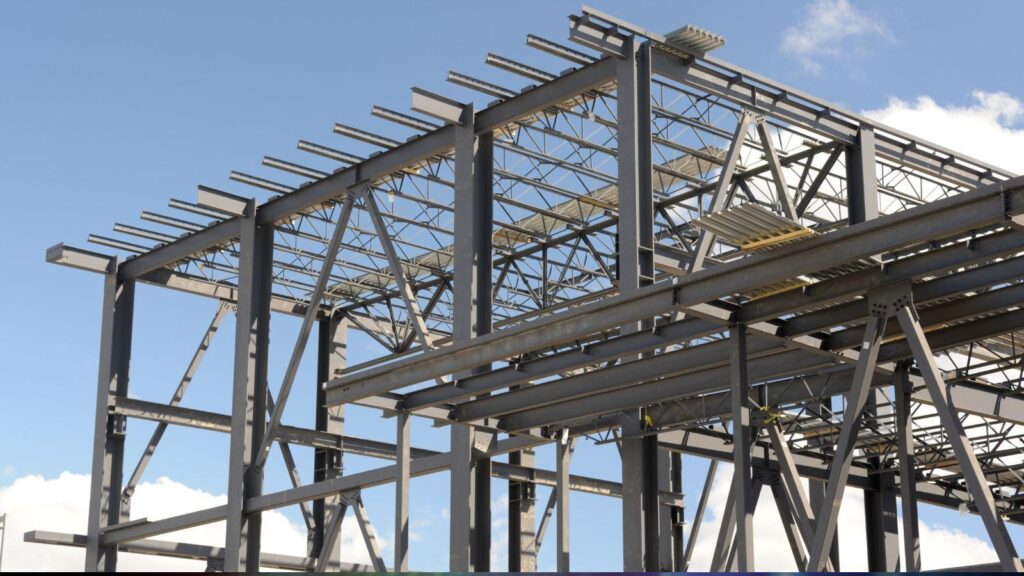
The clear-span capabilities of steel frame construction eliminate obstructive interior columns. This open floor plan grants managers complete freedom to design the most efficient material handling pathways. Conveyor systems, production lines, and storage racks can be arranged in straight, logical sequences without layout compromises.
The ability to adapt this spacious interior to specific process flows reduces material handling time and cost. Layouts can evolve alongside process improvements without structural constraints. This design flexibility is a fundamental asset for continuous operational improvement.
Enhanced Durability with Minimal Maintenance Demands
Industrial environments subject structures to constant vibration, potential impacts, and chemical exposures. Steel buildings provide the inherent strength to withstand these demands with minimal degradation over time. The pre-finished metal panels resist corrosion and do not require frequent painting or repairs of other materials.
This durability translates into far lower annual maintenance costs and less scheduled downtime for facility upkeep. Maintenance teams can focus their efforts on production equipment rather than the building envelope. A structure that demands little attention is a silent partner in maintaining uptime.
Simplified Integration of Operational Systems
The structural design of prefabricated buildings readily accommodates essential industrial infrastructure. Heavy electrical conduits, HVAC ductwork, and plumbing lines can be routed with ease along predictable structural members. Provisions for crane systems, ventilation fans, and specialized lighting become integral parts of the initial design.
This foresight prevents costly retrofits and installations that disrupt production at a later date. The building framework acts as a ready-made host for the utilities that power the operation. Seamless integration from the start avoids future operational bottlenecks.
Superior Energy Efficiency and Climate Control
Modern insulated metal panel systems create a highly effective thermal envelope for the facility. This consistent barrier reduces the energy load required for heating or cooling the large volume of space. A stable interior temperature protects sensitive processes and improves worker comfort, which can boost productivity.
The reflective properties of metal roofing can also lower cooling costs in sun-intensive climates. Predictable energy expenses contribute to more accurate operational budgeting and cost control. An efficient building directly reduces a high and variable overhead cost.
Prefabricated steel construction delivers tangible operational advantages that align with the goals of high-volume production. Its benefits in speed, flexibility, and durability directly support lean manufacturing principles and efficient logistics. The logic for choosing modern industrial metal buildings becomes clear when evaluated through the lens of throughput and efficiency. These structures provide a reliable foundation upon which predictable, profitable operations can thrive.