Ice fishing takes planning. A successful day on the lake often depends on more than an auger, shelter, and warm clothing. Anglers may also need power for fish finders, cameras, lights, phones, GPS devices, and other electronics.
Cold weather makes power planning especially important. Batteries can lose performance in low temperatures, daylight is limited during winter, and a dead phone or fish finder can make a long day on the ice less convenient and less safe.
This guide explains how to choose a portable power solution for ice fishing in Canada, including capacity, output, cold weather use, and the devices that matter most.
What Can a Portable Power Station Run While Ice Fishing?
A portable battery system can support a range of low and medium demand devices during an ice fishing trip. Common examples include:
- Fish finders and sonar displays
- LED lights inside an ice shelter
- Smartphones and GPS devices
- Action cameras
- Tablets
- Two way radios
- Small fans
- Battery chargers for compatible equipment
The right setup depends on the device’s power requirements and how long it will be used. A phone charger or LED light uses relatively little energy. A larger appliance with a heating element or motor can consume far more power and may not be suitable for every portable battery.
Before the trip, check the label or manual for each device. Record its wattage, voltage, connector type, and expected operating time. This will help you avoid bringing a power source that is too small or using an incompatible cable on the ice.
What Size Power Station Do You Need for Ice Fishing?
Battery capacity is usually measured in watt hours. The higher the watt hour rating, the more energy the unit can store.
To estimate the capacity you need, use this formula:
Device wattage × hours of use = watt hours
For example, a 15 watt LED light used for six hours requires about 90 watt hours. A 20 watt fish finder used for eight hours requires about 160 watt hours. If you also plan to charge a phone, camera batteries, and a tablet, those needs should be added to the total.
It is sensible to include extra capacity for cold weather and unexpected changes to the plan. A trip may last longer than expected, and electronic devices may be used more frequently if weather conditions reduce visibility.
For a simple daytime trip with a fish finder, phone charging, and lighting, a smaller unit may be sufficient. A larger capacity option may be more appropriate for an overnight shelter, several anglers, multiple cameras, or a longer trip with additional equipment.
Do not choose based on capacity alone. The unit must also have the correct ports and enough output for the devices you plan to connect.
How Does Cold Weather Affect Portable Power?
Cold weather can affect battery performance. As temperatures fall, a battery may provide less usable energy than it would in mild conditions. Charging requirements can also change when a battery is very cold.
This is why it is important to review the manufacturer’s instructions before an ice fishing trip. Check the recommended operating and charging temperatures for both the portable battery and the devices you intend to power.
Keep the unit sheltered from snow, moisture, and direct exposure to wind. Inside an insulated ice shelter is usually a better location than leaving it outside on bare ice. Place it on a stable, dry surface rather than directly on frozen ground.
If the unit has been stored in a very cold vehicle, do not assume it can be charged immediately. Follow the manufacturer’s guidance and allow it to reach a suitable temperature if required.
How Long Will a Power Station Last on the Ice?
Runtime depends on battery capacity, device power draw, outdoor temperature, and the number of devices connected at the same time.
A basic estimate can be made by dividing available battery capacity by the combined wattage of connected devices. For example, a 500 watt hour battery powering a combined 50 watt load may provide around ten hours in ideal conditions.
Actual runtime will usually be lower. Power conversion losses, cold temperatures, screen brightness, and battery charging can all affect the result. Rather than planning to use every available watt hour, leave a reserve for essential equipment such as a phone, GPS device, or fish finder.
Testing the full setup before leaving home is the most reliable way to understand real world runtime. Connect the fish finder, lights, and other planned devices, then observe how much power they consume over several hours.
Which Features Matter Most for Ice Fishing?
A power station for ice fishing should be chosen for more than capacity. The most useful features depend on how and where you fish.
Consider the following:
Port Types
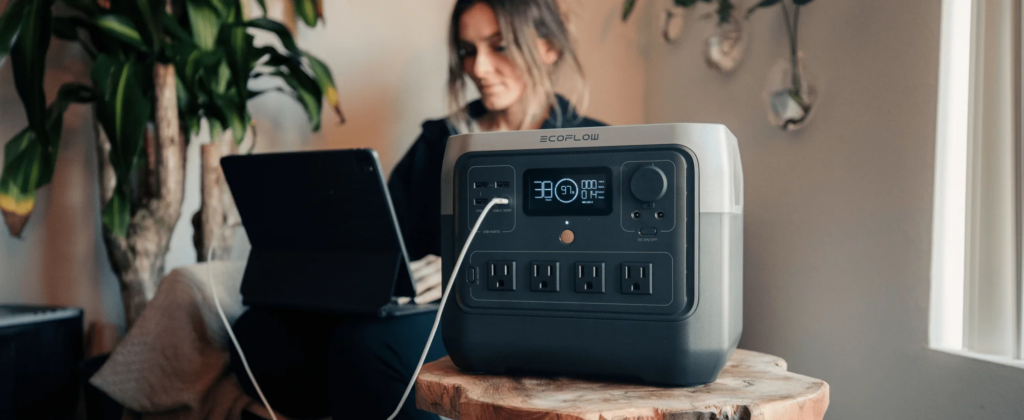
Check whether the unit offers the connections your equipment needs. USB ports can be useful for phones, cameras, and smaller electronics. AC outlets may be needed for certain chargers. DC outputs can be helpful for compatible 12V equipment.
Using the right output can also make the setup more efficient. If a device can run directly from an appropriate DC connection, it may use less energy than running through an AC adapter.
Weight and Carrying Design
Ice fishing equipment already takes up space. A battery system should be practical to carry alongside an auger, shelter, rods, tackle, and safety gear.
Consider how far you need to transport it from the vehicle to the fishing location. A larger unit may offer more capacity, but it can also be heavier and less convenient for a single angler.
Output Power
Check the continuous output rating before connecting an appliance. A unit may have enough stored energy to run several small devices but still lack the output required by a high demand appliance.
If you plan to use a device with a motor, compressor, or heating element, check whether it requires additional power at startup.
Charging Options
A flexible charging setup can be useful for multi day trips. Depending on the product and conditions, charging may be available from a household outlet, a vehicle, or compatible solar panels.
Solar charging can be useful on bright winter days, but it should not be treated as guaranteed. Short daylight hours, cloud cover, snow, shade, and panel angle can all reduce output.
Can You Use a Power Station Safely in an Ice Shelter?
Portable battery equipment does not create exhaust in the way a fuel generator does, which can make it useful for powering electronics inside an ice shelter. However, it still needs to be used carefully.
Keep the unit dry and away from holes in the ice, wet boots, slush, and spilled drinks. Do not cover ventilation areas or place the unit close to a heater. Never use damaged cables or connectors.
If you use a fuel burning heater in the shelter, follow the heater manufacturer’s safety instructions and maintain proper ventilation. A carbon monoxide alarm is an important safety item for enclosed or semi enclosed spaces.
Do not rely on portable power as your only safety plan. Bring a fully charged phone, tell someone where you are going, and prepare for changing ice and weather conditions.
Pack and Store the Equipment Properly
Before leaving for the lake, fully prepare the equipment you will depend on. Charge the battery according to the manufacturer’s instructions, inspect cables, and pack adapters in a waterproof storage pouch.
After the trip, remove moisture and snow before storing the unit. Allow it to dry thoroughly, then follow the manufacturer’s recommendations for storage charge level and temperature.
Avoid leaving battery equipment in an unheated vehicle for extended periods. If the unit will not be used again for several weeks, store it in a dry location with suitable temperatures.
Final Thoughts
The best portable power setup for ice fishing is one that matches your real equipment needs. Start with the devices you use most often, calculate their likely energy demand, and allow extra capacity for cold conditions.
For many anglers, the priority is keeping fish finders, lights, phones, and cameras running through a long day on the ice. By checking compatibility, testing the setup before the trip, and protecting the equipment from cold and moisture, you can make winter fishing more convenient without carrying more power than you need.