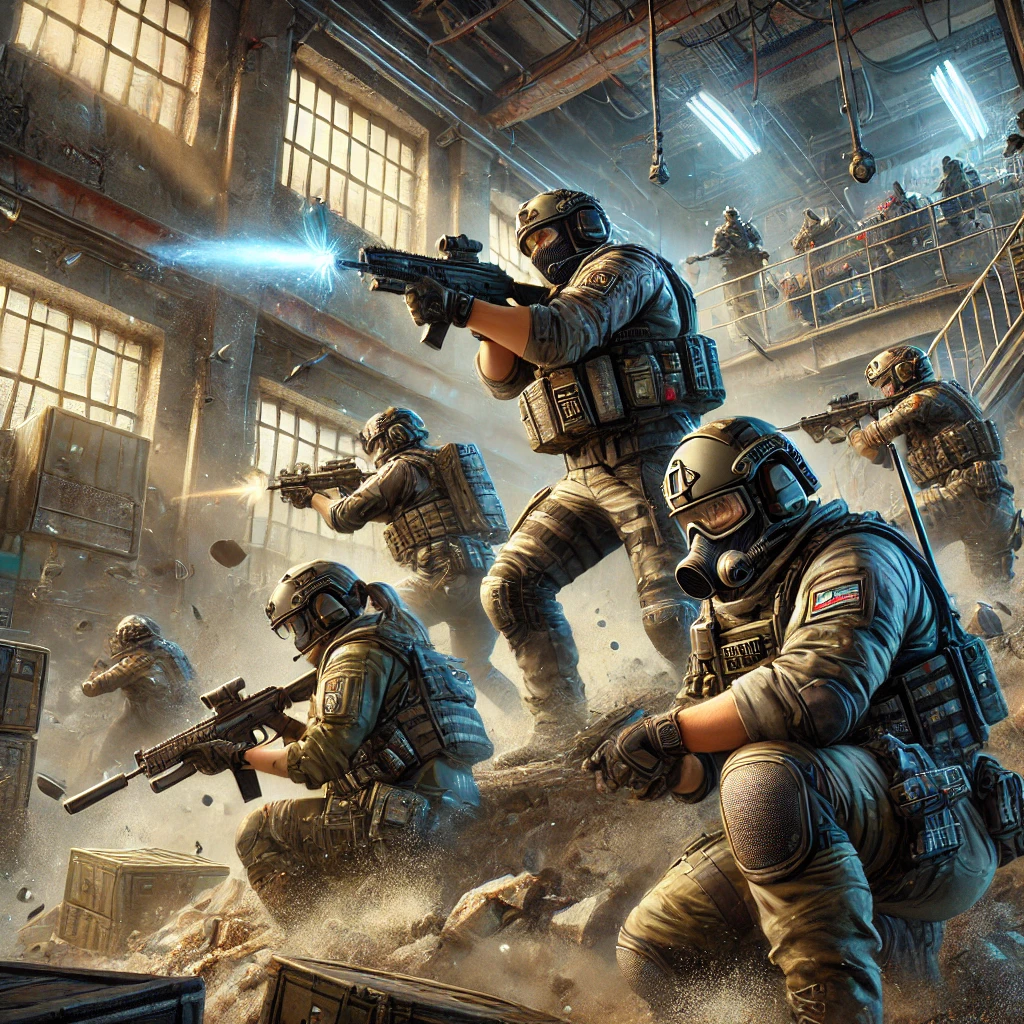
Winning gunfights in competitive first-person shooters is rarely about who can flick their mouse the fastest across a desk. While flashy highlight clips flood video feeds, top-ranked players dominate matches through discipline, pre-aiming and sound spatial positioning. Tactical shooters punish reckless movement and reward players who understand geometry, line of sight and team pacing. By mastering the fundamentals of sightlines and gun mechanics, you can consistently eliminate opponents before they even have time to fire back.
The Geometry of Corner Angles and Peeker’s Advantage
In any competitive arena, perspective determines who sees who first. If you stand too close to a doorway or wall edge, your shoulder and gun barrel stick out into the open hallway long before your eyes can see around the obstacle. Backing up and holding an angle from as far away as possible gives you a wider field of view, keeping your character model hidden while exposing the enemy’s body the moment they cross the threshold.
When clearing rooms, experienced fraggers “slice the pie” by clearing one narrow sliver of space at a time rather than swinging wide into multiple unknown sightlines. Between competitive scrims and tournament matches, esports enthusiasts often take breaks to unwind, browse gaming community hubs or check out modern crypto-friendly entertainment options like Kirgo casino to reset their focus before their next ranked lobby. Maintaining mental clarity prevents the tunnel vision that often causes players to rush forward recklessly and give up easy defensive territory.
Core Mechanics Behind Consistent Gunplay
Dominating competitive firefights requires mastering muscle memory and movement stops:
- Head-Level Crosshair Placement: Always rest your reticle at chest and head level along predicted entrance corners, eliminating the need to adjust aim vertically when an opponent appears.
- Counter-Strafing Precision: Tapping the opposite directional movement key the instant you stop moving zeroes your character’s velocity instantly, restoring pinpoint weapon accuracy.
- Recoil Pattern Compensation: Pulling your mouse down and counter to your weapon’s specific spray trajectory keeps automatic bullet spreads tight inside target zones.
- Trigger Discipline: Resisting the urge to spray at an enemy across long distances allows you to fire controlled two-round tap bursts that land directly on target.
Comparing Weapon Archetypes in Tactical Shooter Loadouts
Balancing a team’s economy requires selecting weapons suited to specific engagement ranges and defensive hold positions:
|
Weapon Class |
Optimal Engagement Range |
Movement Speed Penalty |
Armor Penetration |
Tactical Role in Round |
|
Tactical Service Pistol |
0 to 12 meters |
Very Low (Lightweight mobility) |
Low to Moderate |
Eco rounds, pistol duels and stealth rotations |
|
Submachine Gun (SMG) |
5 to 18 meters |
Low (Fast strafe shooting) |
Moderate |
Close-quarters anti-eco rushes and apartment holds |
|
Assault Rifle |
10 to 45 meters |
Moderate (Requires standstill) |
High (Single-tap headshot kill) |
Versatile default buy for clearing chokepoints |
|
Precision Sniper Rifle |
30 to 60+ meters |
High (Heavy, sluggish re-peeks) |
Extreme (Instant body-shot elimination) |
Holding long sightlines and denying bomb site entry |
Practical Habits for Climbing Competitive Ranks
Sharpening your competitive shooter skills comes down to consistent pre-game routines and clear team habits:
Transforming Positioning into Victory
Refining your first-person shooter mechanics shifts the game from a frantic guessing match into a calm game of spatial control. When you keep your crosshairs locked at head height, clear corners methodically and communicate clearly with teammates, you dictate the pace of every engagement. Developing disciplined tactical habits ensures that your aim remains steady and effective under the most intense tournament pressure.