
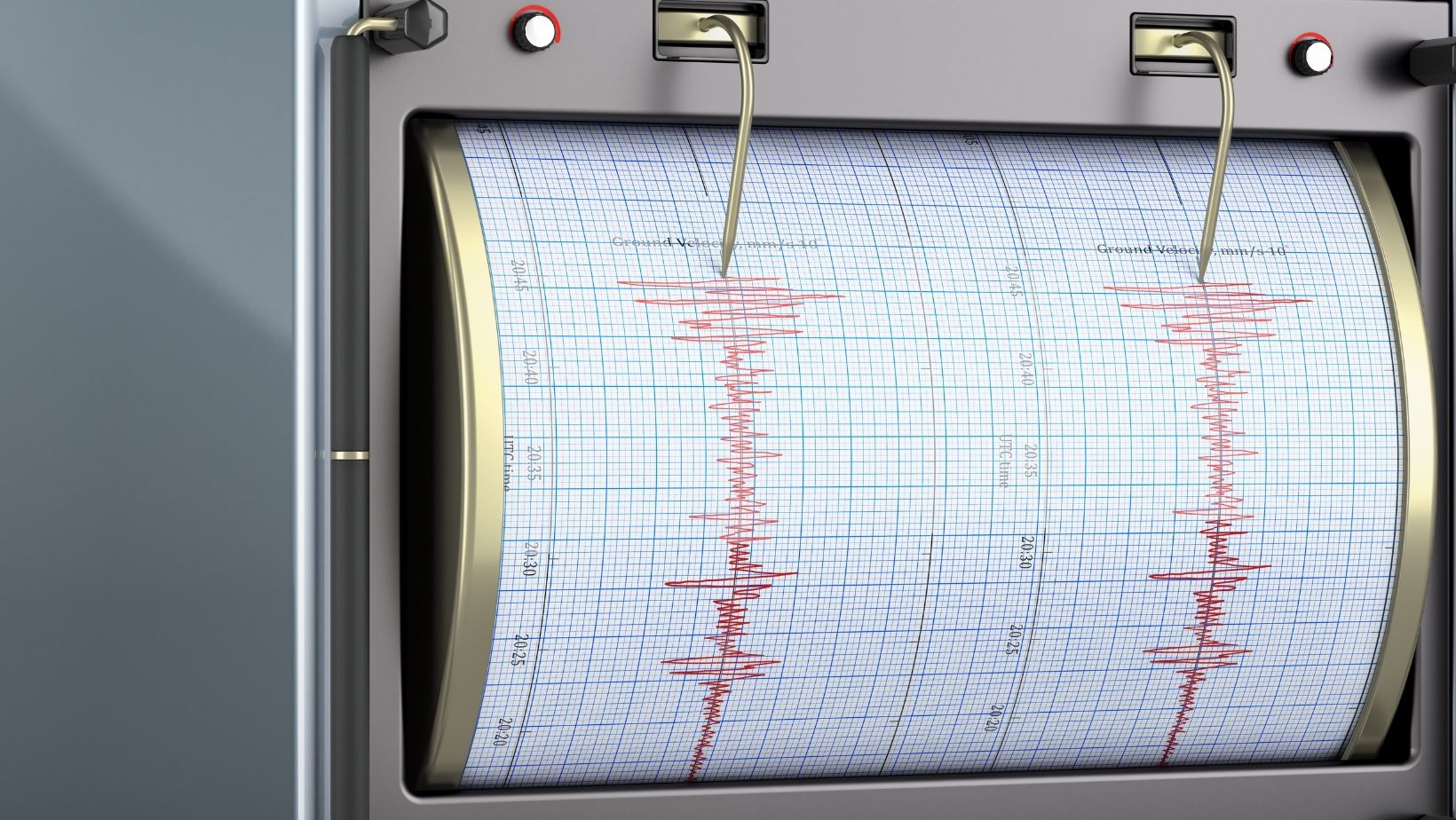
The polygraph remains one of the most misunderstood tools used in private, corporate, and investigative settings. Many people still imagine it as a machine that can identify lies in direct form. In popular culture, the process looks simple: a person is connected to sensors, answers several questions, and the device reveals whether they told the truth. Real practice is far more limited and far more technical. A polygraph does not “see” lies. It records physical reactions and helps a specialist assess whether those reactions differ when certain topics are raised.
That difference matters because the public often expects certainty from a method that actually works through interpretation. In many areas people confuse visible reaction with definite meaning, much as users may read fast signals in unrelated digital systems such as a betting app for ipl and assume they already understand the full picture. The same mistake appears in discussions about polygraphs. A strong physiological response does not automatically equal deception. To understand what the lie detector really shows, it is necessary to separate the device from the myths built around it.
A Polygraph Does Not Detect Lies Directly
The first and most important point is simple: a polygraph does not measure lying itself. It measures physiological activity. Depending on the system and test format, this may include breathing patterns, cardiovascular changes, and skin conductivity. These are real, measurable bodily signals, but they are not the same thing as truth or falsehood.
When a person answers a question, these signals may change. The reason for the change can vary. A person may react because they are hiding information. They may also react because they are afraid of not being believed, because a topic is personally painful, because they feel shame, or because the question carries strong emotional meaning. The machine records the response, not its final moral meaning.
This is why the phrase “lie detector” creates confusion. It suggests a level of directness the device does not have. A more accurate description would be that the polygraph is an instrument for recording and comparing physiological responses during structured questioning.
What the Test Really Shows
If the polygraph does not show lies directly, what does it show? In practical terms, it shows whether a person’s body reacts differently to certain questions than to others under controlled conditions.
That may sound modest, but it is important. The entire test is based on comparison. The examiner looks at whether questions tied to the investigated issue trigger stronger or different responses than neutral or comparison questions. If the pattern is consistent and marked enough, the examiner may conclude that the responses are more consistent with deception, concealed knowledge, or non-deception.
So the polygraph shows:
- physiological reaction patterns
- relative significance of certain questions for the subject
- whether responses differ across categories of questions
- data that may support or weaken one interpretation of the subject’s answers
What it does not show is a direct picture of thoughts, motives, or objective truth in full. It provides structured evidence about reaction, not perfect proof of guilt or innocence.
Why Context Matters More Than People Assume
A polygraph result has meaning only inside a defined context. Without context, physiological response is too broad to interpret responsibly. The same recorded reaction may carry different meanings in different cases.
For example, a question about theft in a workplace investigation is not the same as a question in a family conflict. In one setting, the subject may fear job loss. In another, the subject may fear emotional consequences even if they are truthful. These background factors affect how the body reacts.
That is why the value of a polygraph depends on:
- the type of case
- the precision of the issue under examination
- the quality of question design
- the condition of the subject
- the skill of the examiner
- the presence of supporting evidence outside the test
The machine alone is never enough. The result becomes more useful when the surrounding facts are narrow and clearly defined.
The Polygraph Works Best With Specific Factual Questions
The polygraph is most useful when the core issue can be reduced to a concrete factual proposition. It is better suited to questions such as whether a person took a known item, disclosed protected information, or was present during a specific event. These kinds of questions create a clearer testing structure.
The method becomes weaker when people ask it to resolve broad moral or emotional disputes. Questions such as whether someone is “loyal,” “trustworthy,” or “a good partner” are too broad for disciplined polygraph work. They involve interpretation, personal values, memory variation, and emotion. A physiological reaction to such questions may be intense, but the meaning of that intensity is unstable.
This is one of the reasons polygraphs are often overestimated. People expect them to solve complicated human conflicts when the tool works best with narrow factual claims.
Why a Strong Reaction Is Not the Same as Proof
One of the main myths around polygraphs is the idea that strong bodily response automatically means deception. In reality, strong reaction means only that the question carries significance for the person under examination.
That significance can arise from different sources:
- guilt
- fear of accusation
- embarrassment
- traumatic memory
- anger
- distrust of the process
- uncertainty about how the question is framed
For this reason, a responsible examiner does not treat one strong response as final proof. The judgment depends on pattern, comparison, repetition, and the internal logic of the test. Even then, the conclusion remains interpretive rather than absolute.
A good polygraph process tries to control for general anxiety by comparing reactions across several kinds of questions. That does not eliminate uncertainty completely, but it makes the result more disciplined than the public image often suggests.
What the Examiner Adds to the Process
People often imagine that the machine does the main work. In practice, the examiner plays a central role. Question formulation, pre-test interview quality, pacing, subject understanding, and final interpretation all influence the result.
The examiner helps determine:
- whether the case is suitable for polygraph testing
- how the relevant issue should be framed
- which words need clarification
- whether the subject understands each question
- how the recorded patterns should be analyzed
This means that the polygraph is not a fully automatic device. It is part of a human-guided procedure. That is both a strength and a limitation. It is a strength because good method improves clarity. It is a limitation because human error, poor framing, or weak interpretation can reduce reliability.
Where the Polygraph Can Be Useful
Used properly, the polygraph can support a structured inquiry. It may be useful in situations such as:
- internal investigations into theft or data leakage
- disputes involving one specific factual contradiction
- security-related screening where it is one part of a larger process
- narrowing investigative focus when evidence is incomplete
- testing whether a subject reacts significantly to defined factual questions
In these settings, the polygraph is not a replacement for evidence. It is an additional analytical layer. It can help identify where unresolved tension exists and where further investigation may be justified.
Its real value appears when it is used as part of a broader decision framework rather than as a machine expected to end all doubt.
Where the Polygraph Is Often Misused
The polygraph is misused when people expect it to solve problems it was not designed to solve. This includes:
- broad family mistrust
- emotional relationship disputes
- vague accusations without one testable event
- legal or moral judgments made solely from one test result
- workplace problems caused by poor management systems rather than one factual incident
In these situations, the device may produce the appearance of certainty without enough real analytical value. The risk is not only technical error. The risk is misplaced confidence.
When people ask the wrong question, even a well-run test cannot produce a meaningful answer.
What the Result Actually Means
A polygraph outcome is best understood as an informed conclusion about reaction patterns, not as direct access to truth. Depending on the test and the interpretation, the result may indicate that the responses are more consistent with deception, with non-deception, or that the findings are inconclusive.
Each of these outcomes must be handled carefully. A deceptive pattern is not identical to legal proof. A non-deceptive pattern is not the same as full exoneration. An inconclusive result is not automatically suspicious. It may simply mean the data do not support a confident decision.
This is a narrower understanding than the public myth, but it is also more accurate.
Conclusion
A polygraph without myths is easier to understand and easier to evaluate. The lie detector does not show lies in direct form. It shows physiological response patterns during structured questioning. These patterns may help indicate whether certain questions carry unusual significance for the subject, but they do not eliminate the need for interpretation, context, or supporting evidence.
The real strength of the polygraph lies in its limited role. It can support inquiry, clarify factual tension, and add structure to an investigation when the issue is narrow and the method is sound. It becomes misleading only when people expect it to do more than it can reasonably do. The closer we stay to what it really shows, the more responsibly it can be used.