
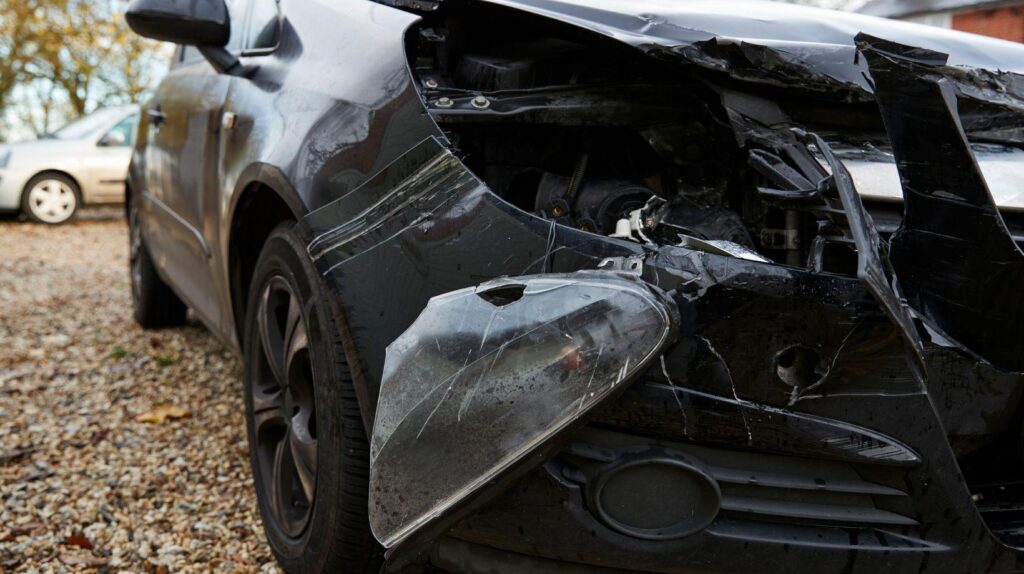
You walk out of the grocery store with an armful of bags, fish for your keys, and then you see it. A crumpled rear bumper, a long scrape down the side, or a taillight hanging by a wire. Your car was just sitting there, and somebody plowed into it.
There’s a special kind of outrage that comes with this. You weren’t driving, you weren’t distracted, and you didn’t do anything wrong. Yet now you’re the one stuck dealing with repair estimates, insurance calls, and a car that suddenly looks like it lost a fight.
Being absent doesn’t make the situation simpler, either. Parked car collisions can raise surprisingly confusing questions about who pays, how to prove what happened, and what to do if the other driver vanished. A little know-how can make the cleanup a lot less painful.
Who Pays When Someone Hits an Unoccupied Vehicle?
When someone hits a parked car, the driver who caused the damage is usually responsible. It’s hard to argue that a legally parked, empty vehicle did anything wrong, so fault often lands squarely on the moving driver. Most insurers expect prompt notice either way.
That driver’s liability insurance generally covers the damage. If they stuck around or left a note with their information, you can file a claim with their insurer. Your own collision coverage may also help, especially if the other insurer drags its feet, though a deductible may apply.
Evidence still matters, even in seemingly obvious cases. Photos, witness accounts, and any video footage can help confirm who caused the damage and how much there is. Getting those pieces together early makes a parked car accident claim far smoother.
What Happens When the Other Driver Disappears?
Unfortunately, plenty of drivers who hit parked cars simply drive away. California law requires a driver who hits an unattended vehicle to either find the owner or leave a note with their name and address, and to report the collision to police. Not everyone follows those rules.
When the other driver disappears, coverage gets trickier. Collision coverage on your own policy is often the main option for repairs in a hit-and-run. Uninsured motorist property damage coverage has limits and requirements in California, so it may not apply in every situation.
Reporting the incident to police helps, especially for hit-and-runs. A report creates an official record and may help identify the driver if witnesses or cameras captured anything. Identifying an unknown driver can be tough, but it’s not always impossible.
Why Parking Lot Accidents Can Be Surprisingly Complicated
Parking lots are private property, and that can change how incidents are handled. Police may not always respond to minor property-damage incidents on private lots, which means drivers often have to do more of the documentation themselves.
Surveillance footage can be a game changer. Many stores, shopping centers, and apartment complexes have cameras covering their lots. But that footage may be recorded over quickly, so asking the property owner or manager to preserve it right away is important.
Responsibility isn’t always straightforward either. A car parked illegally, sticking out into a lane, or blocking part of a driveway could complicate questions of fault. Disputes about whether certain damage came from the incident or was already there can also arise, especially without clear photos.
The Evidence That Can Make a Difference
Photographs are the foundation. Take pictures of the damage from multiple angles, the surrounding area, the parking spot, and any debris or paint transfer. Photos of nearby cameras can also help when requesting footage later. A shaky claim is much easier to dispute.
Witness information can be incredibly valuable. Someone who saw the collision might have caught a license plate, a vehicle description, or the driver’s face. Getting their name and phone number before they leave can make all the difference.
Repair estimates and prompt communication round things out. Get a professional estimate to document the cost of repairs, and notify the appropriate insurance company quickly. Delays can make claims harder to prove and may run afoul of policy reporting requirements.
Conclusion
Coming back to a damaged car is frustrating, especially when you weren’t even there. But being absent doesn’t mean being without options. The at-fault driver’s insurance, your own coverage, and solid evidence can all help get things fixed.
Documentation is everything. Photos, witness information, surveillance footage, and repair estimates help show what happened and how much damage occurred, even when the other driver is long gone. Small steps taken early make everything easier later.
Knowing California’s reporting rules and reviewing your available coverage can make the process much smoother. Acting quickly, staying organized, and asking questions when coverage seems unclear can turn an infuriating parking lot surprise into a manageable fix.


